
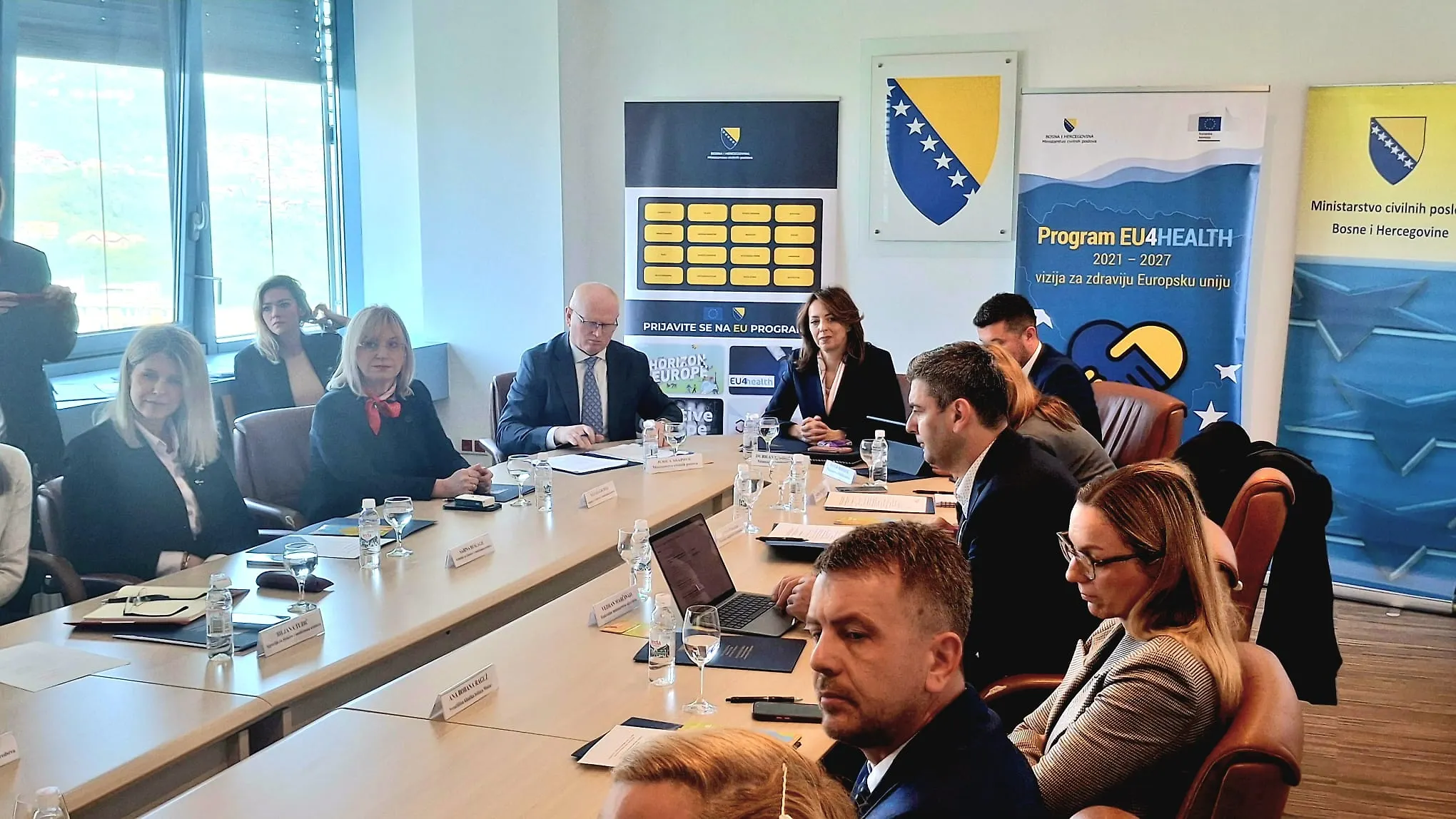
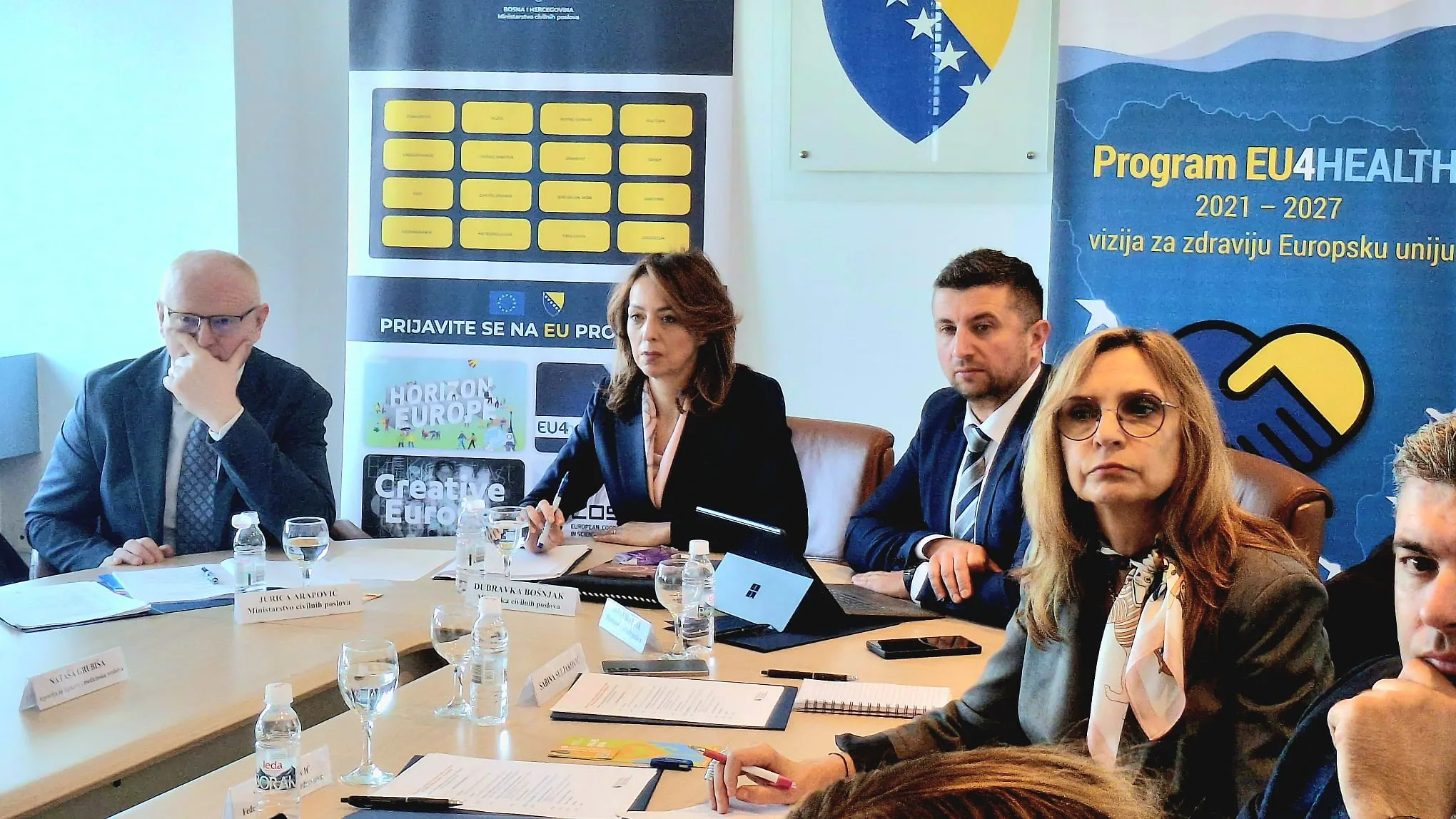
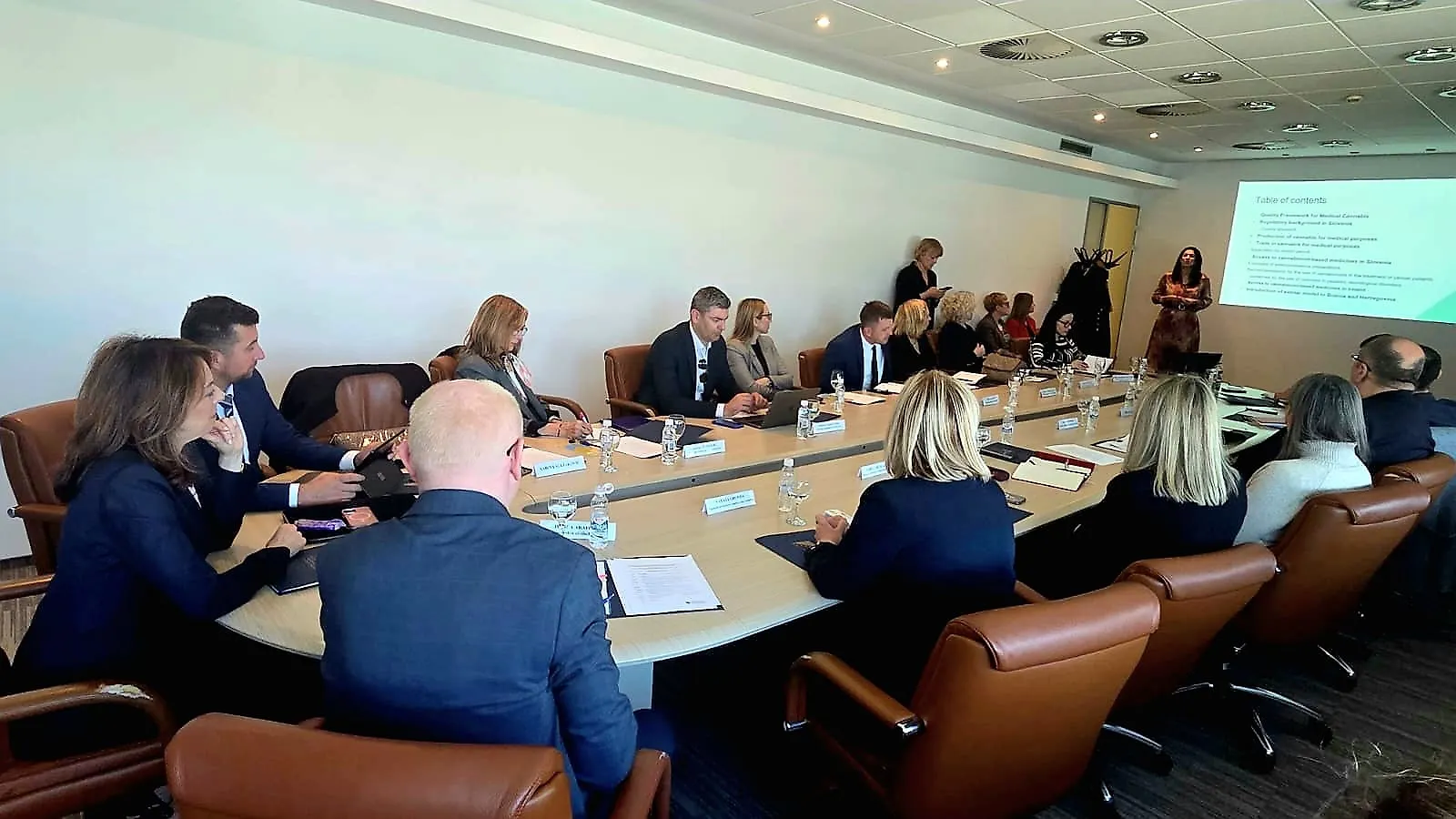
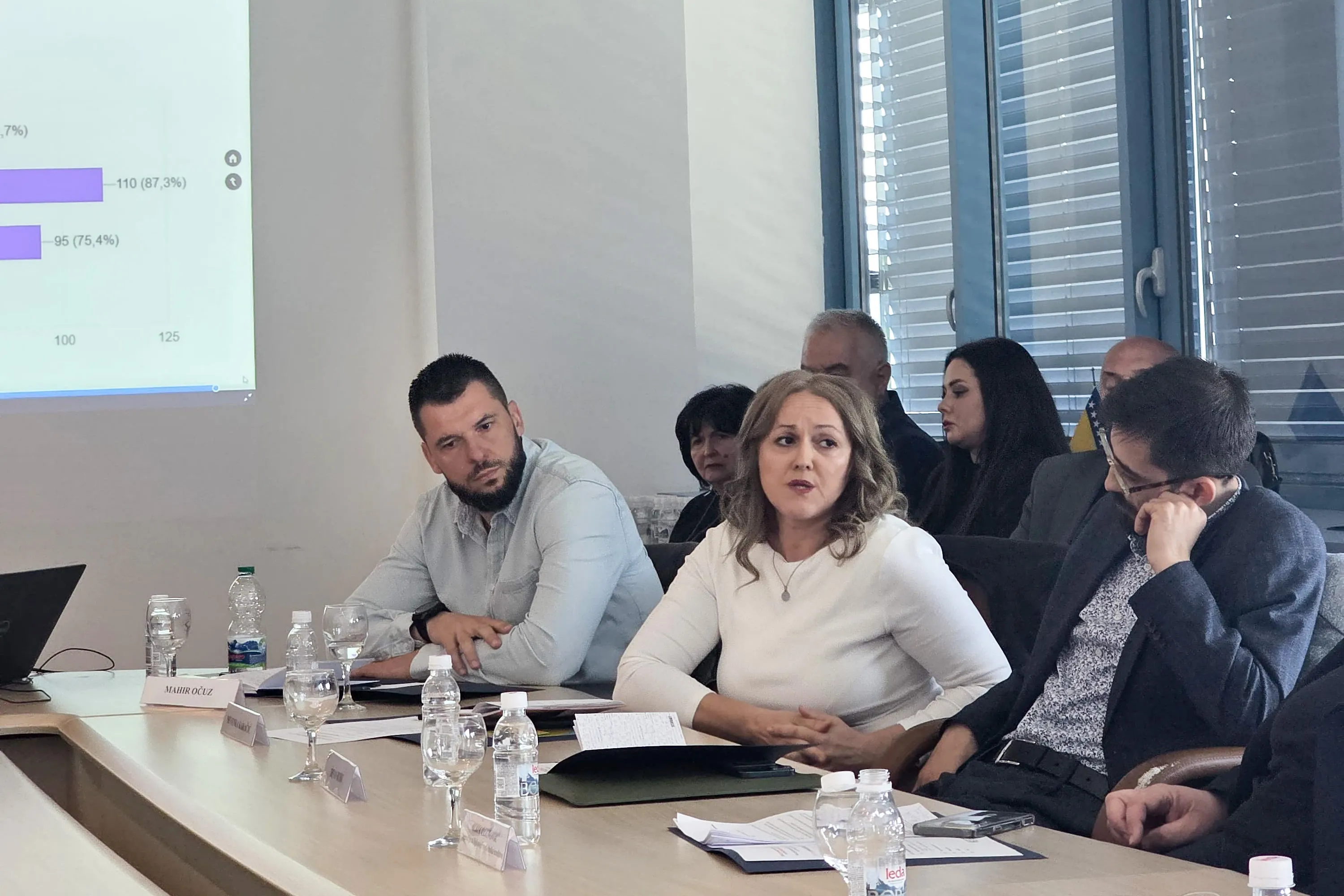

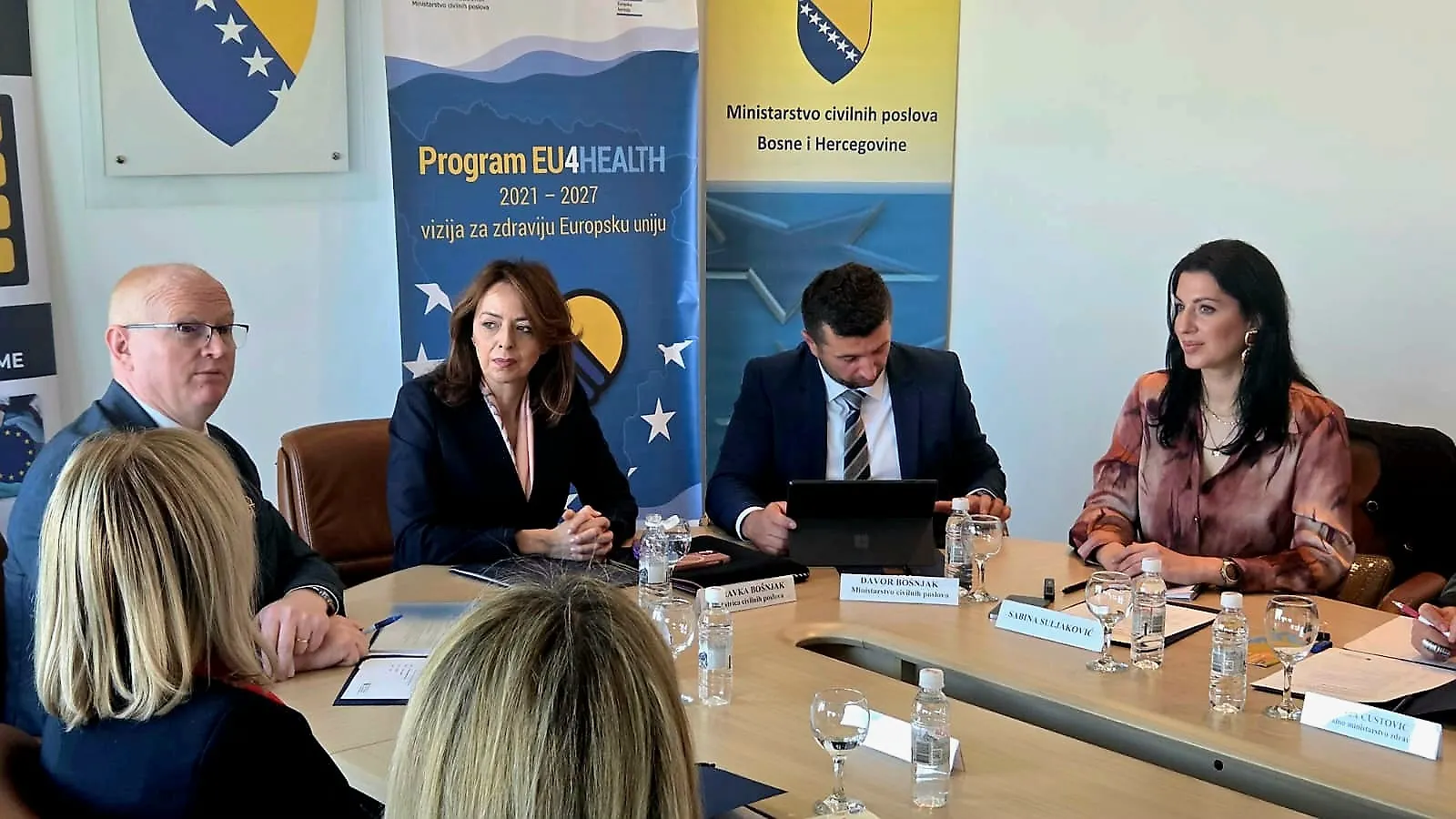




The Ministry of Civil Affairs of Bosnia and Herzegovina organized an expert round table entitled “Cannabis for Medical Purposes – The Path Toward Accessible Therapy in Bosnia and Herzegovina”, with the aim of opening an institutional dialogue on establishing a safe, legally regulated, and medically grounded system for the use of cannabis-based medicines.
The event brought together representatives of competent institutions, health authorities, regulatory bodies, professional chambers, the medical and pharmaceutical communities, as well as patient associations.
One of the key objectives of the round table was to precisely define the next mandatory steps for all institutions involved in this process, in order to accelerate, through coordinated action, the adoption of the necessary by-laws, professional guidelines, and operational procedures. The ultimate goal of all activities is to establish a functional system in which patients in Bosnia and Herzegovina will be able, on the basis of a doctor’s prescription and in accordance with medical indications, to obtain safe, registered, and controlled cannabis-based preparations in pharmacies.
The round table was opened by the Minister of Civil Affairs of Bosnia and Herzegovina, Dubravka Bošnjak, who recalled that the Council of Ministers of Bosnia and Herzegovina, at the proposal of the Ministry of Civil Affairs, had already removed the fundamental legal obstacle to the medical use of cannabis four months ago, after more than ten years of stagnation.
“This marked an important step toward aligning the domestic system with modern medical practices, scientific knowledge, and the real needs of patients for whom standard therapies often do not provide satisfactory results,” Minister Bošnjak emphasized.
She stressed that the change in regulatory status is only the initial phase of the process, and that the establishment of a comprehensive operational framework still lies ahead. This framework must include clear procedures for the registration of medicines, prescribing therapy, pharmacovigilance, distribution, quality control, and professional supervision.
It was emphasized that the Ministry of Civil Affairs has removed the fundamental legal obstacle, while further regulatory and implementation activities require coordinated action by entity-level institutions and the Agency for Medicinal Products and Medical Devices of Bosnia and Herzegovina.
“We expect everyone to act efficiently and responsibly in the coming period, without further delay, so that therapy becomes available to those who need it. Any further delay in this process cannot be justified legally, professionally, or, least of all, humanly,” Minister Bošnjak stated.
During the expert presentations, it was noted that cannabis-based medicines are already used today in a number of European Union countries and beyond. Particularly significant was the presentation by Slovenian expert in the field of medical cannabis use, Sabina Suljaković, who shared the experiences of that country and models of good practice that may also be useful to Bosnia and Herzegovina.
Representatives of the Agency for Medicinal Products and Medical Devices of Bosnia and Herzegovina, entity ministries of health, professional associations of pharmacists and medical doctors exchanged information on the next steps, including defining regulatory procedures for the registration of medicines, determining indications and professional prescribing guidelines, educating doctors and pharmacists, establishing systems for monitoring and reporting adverse reactions, as well as harmonizing regulations among different levels of government in Bosnia and Herzegovina.
A special contribution to the work of the round table was also made by patient representatives, who shared their experiences, needs, and challenges they face daily in the search for appropriate therapy, while also pointing to administrative barriers that hinder access to treatment.
It was concluded that it is necessary to accelerate by-law activities, the development of professional prescribing guidelines, strengthen coordination among competent institutions, and continue expert dialogue with the aim of timely adopting the necessary solutions and establishing a system that will enable patients safe and lawful access to cannabis-based therapy.