
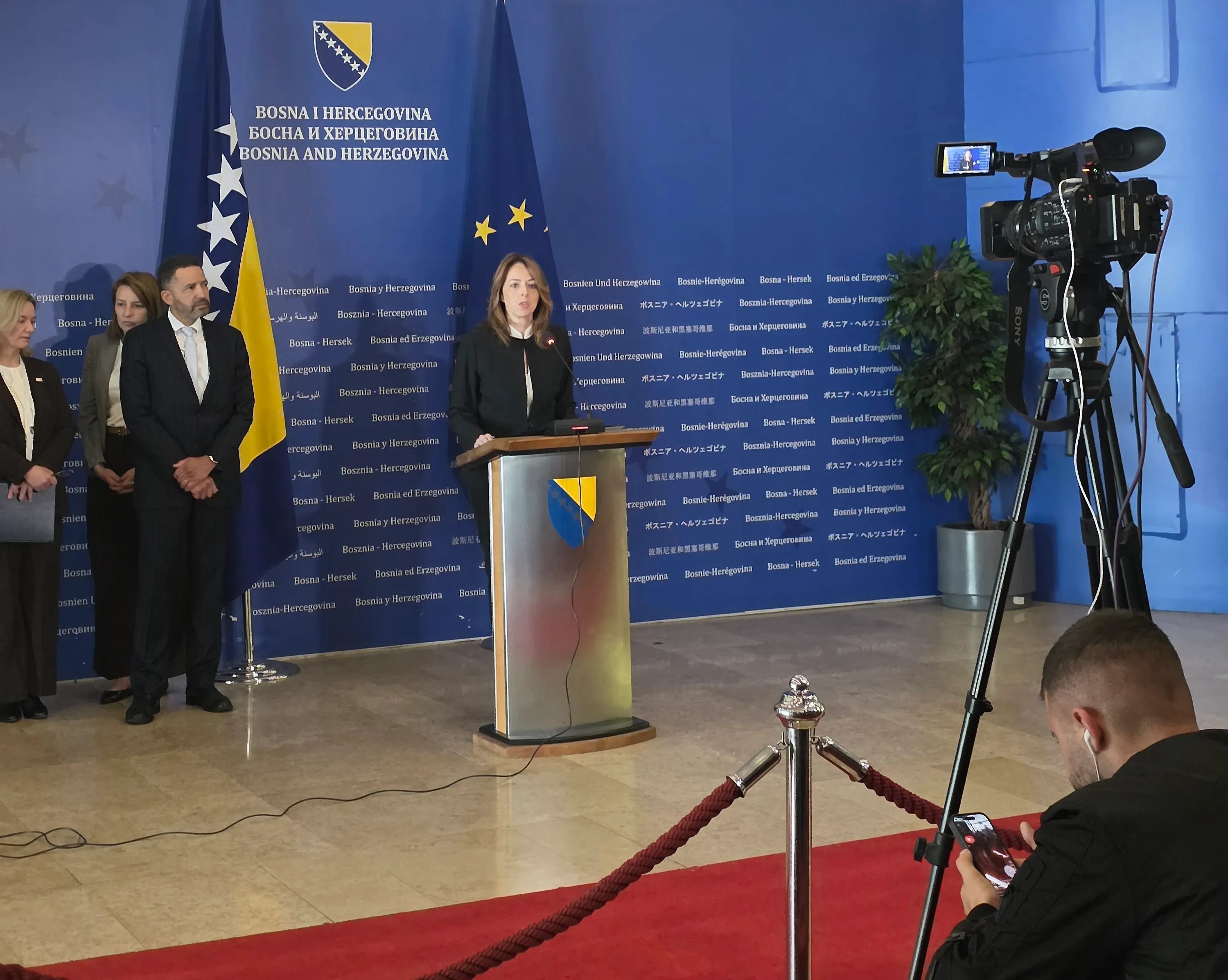
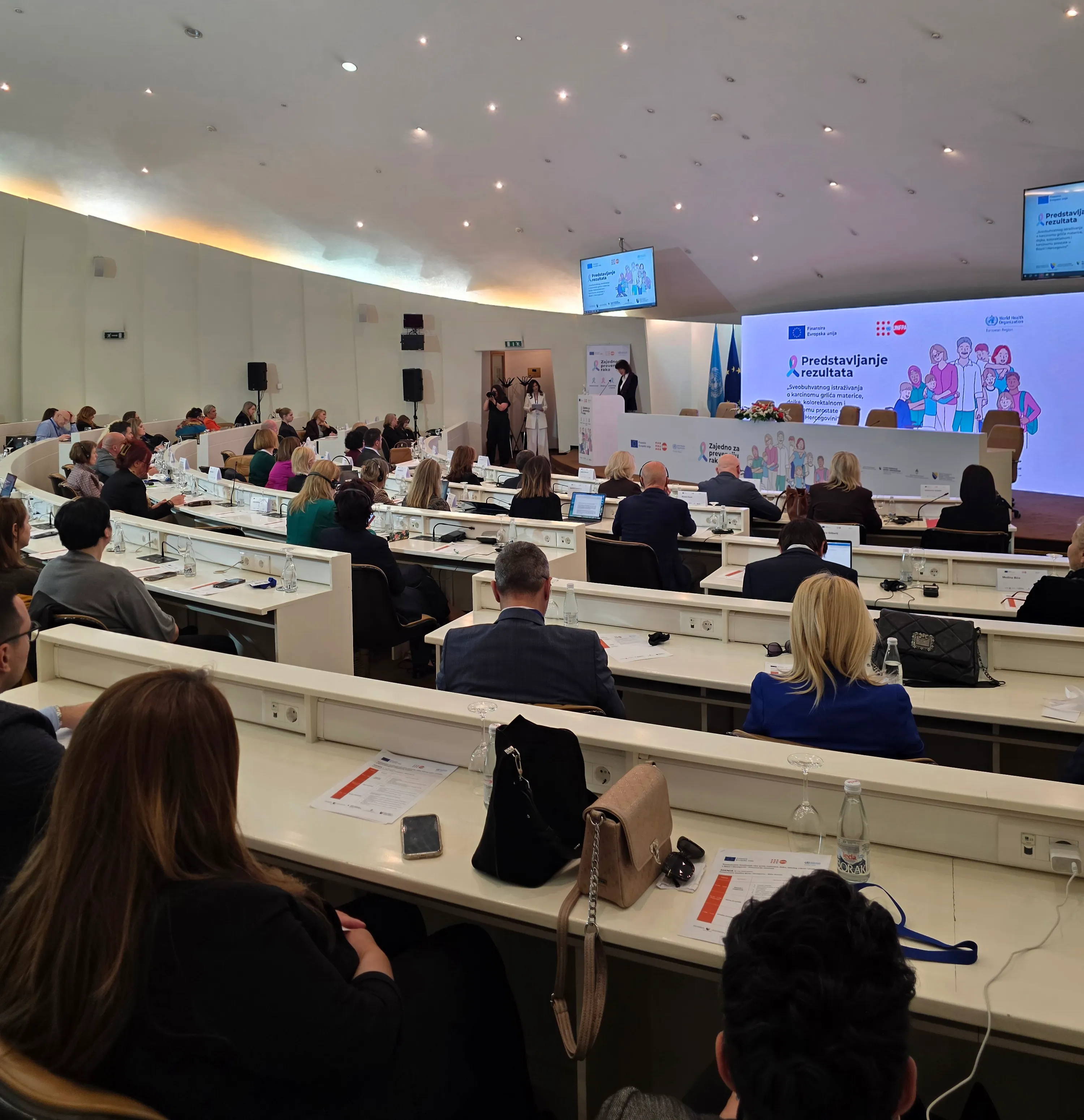
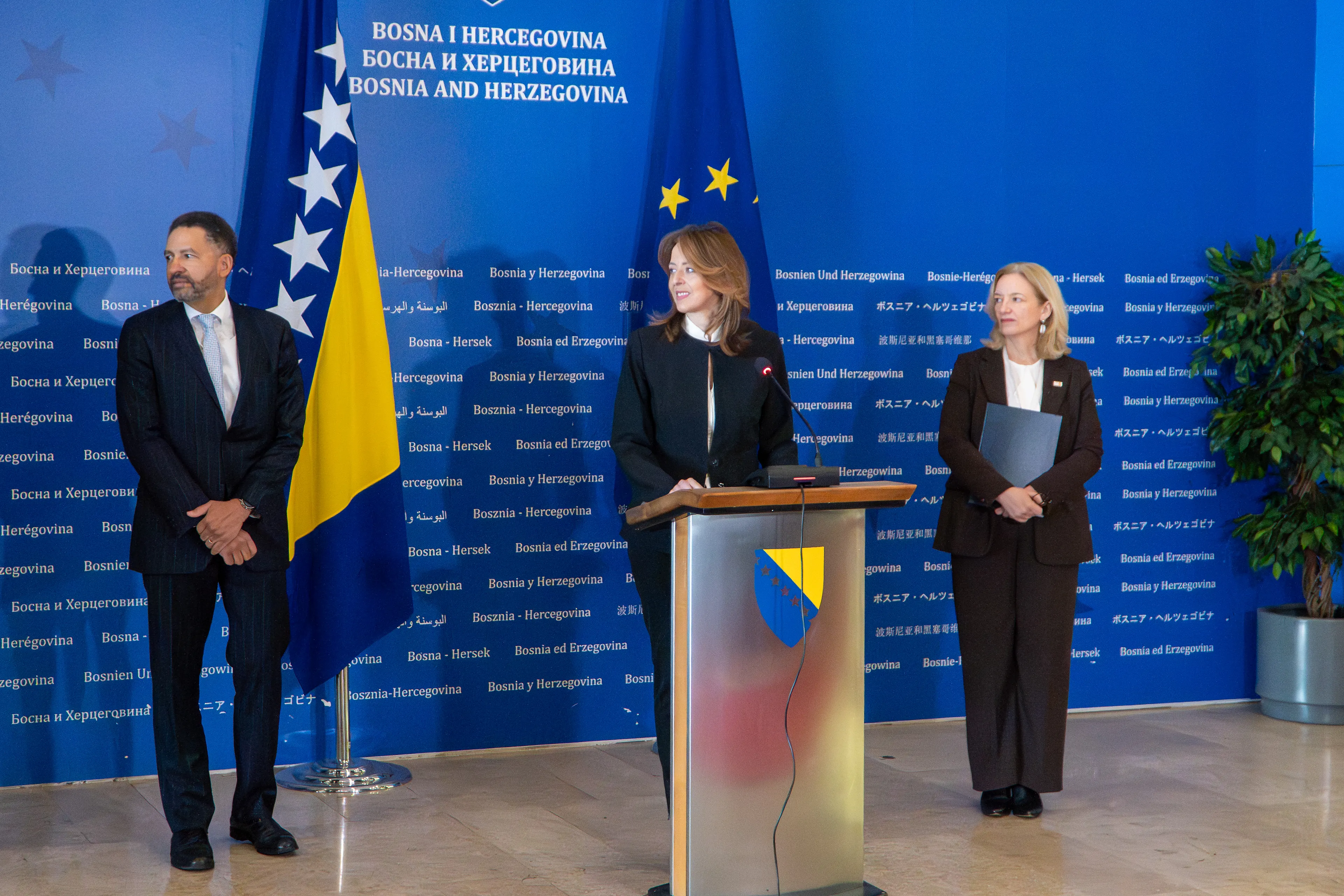
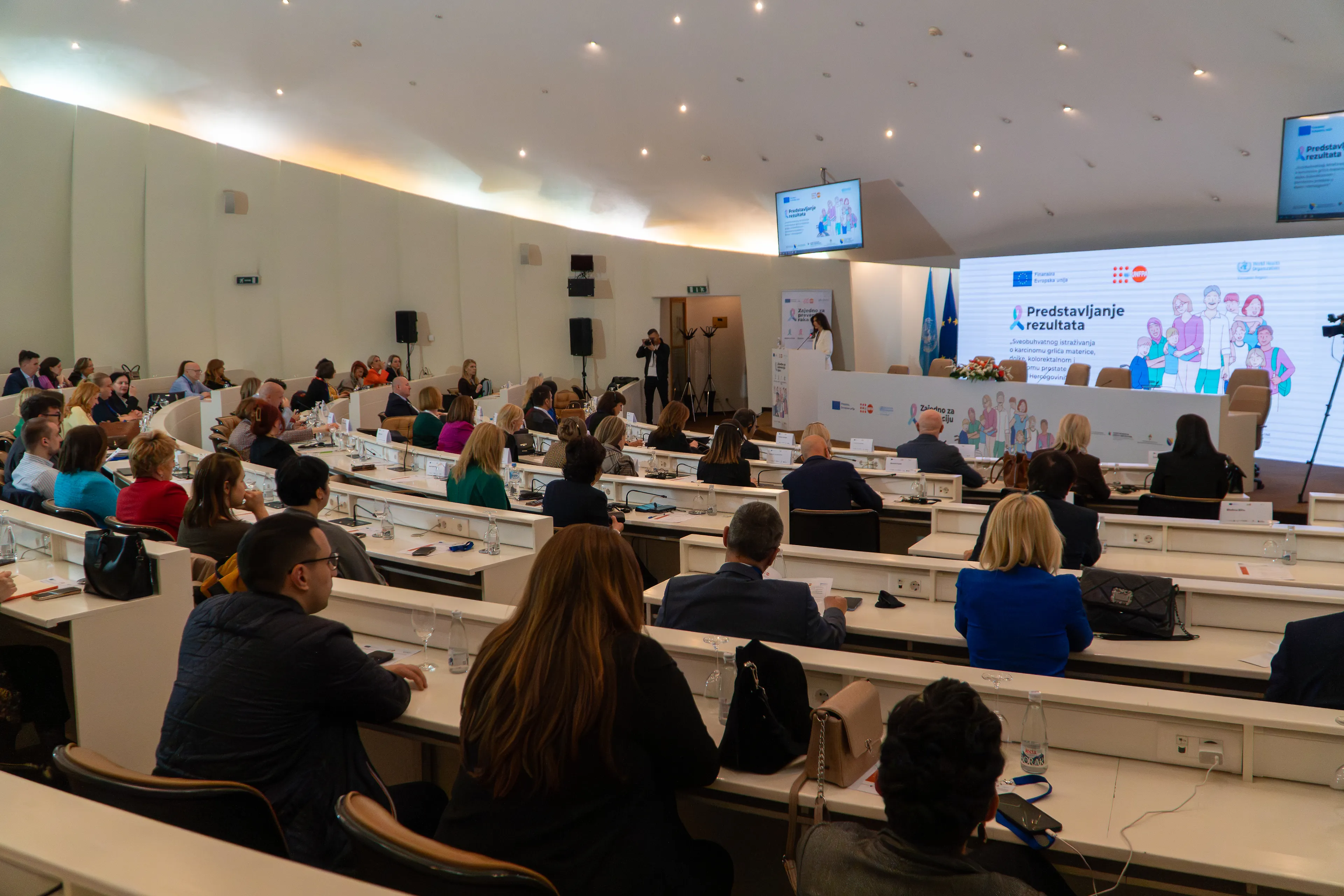
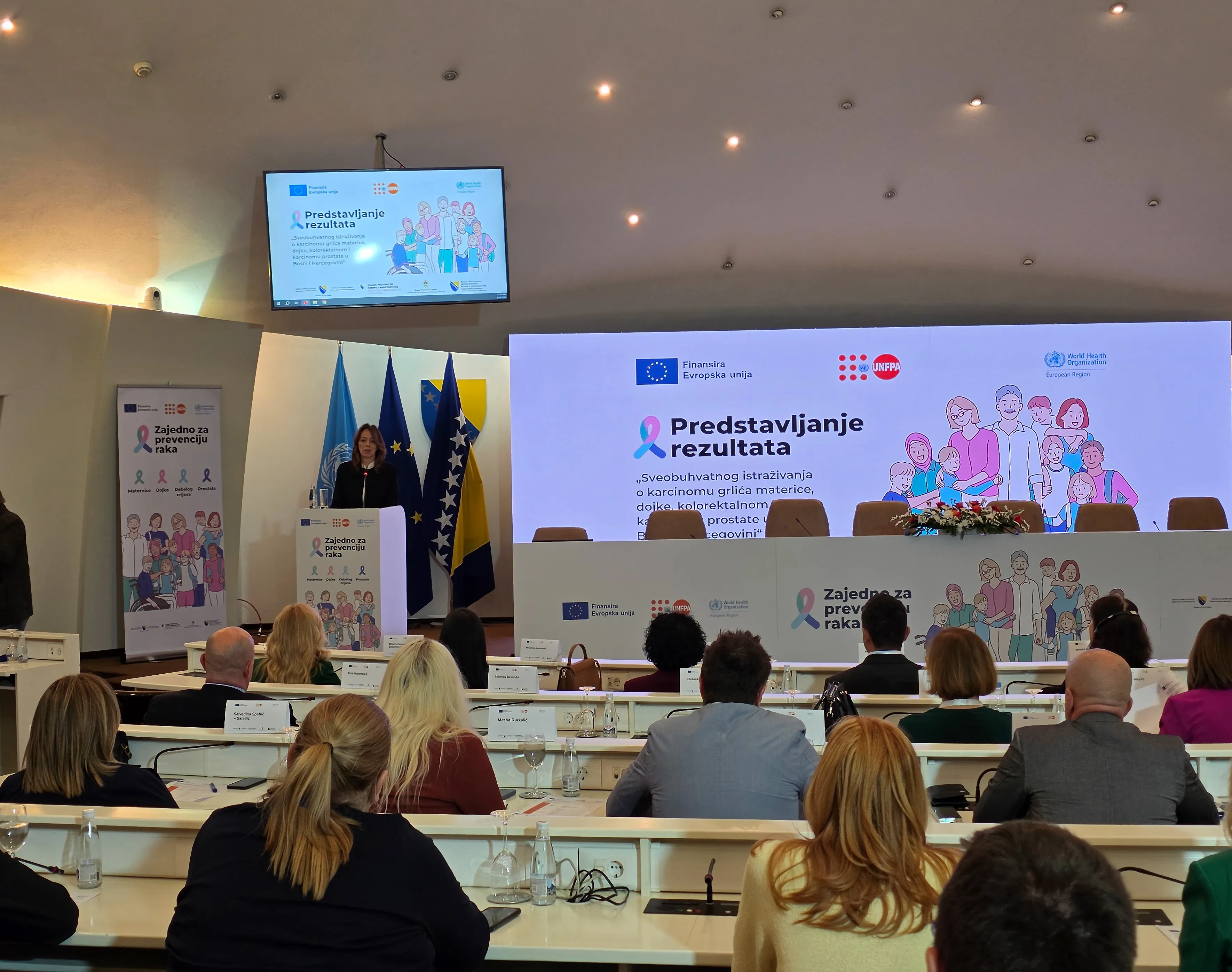
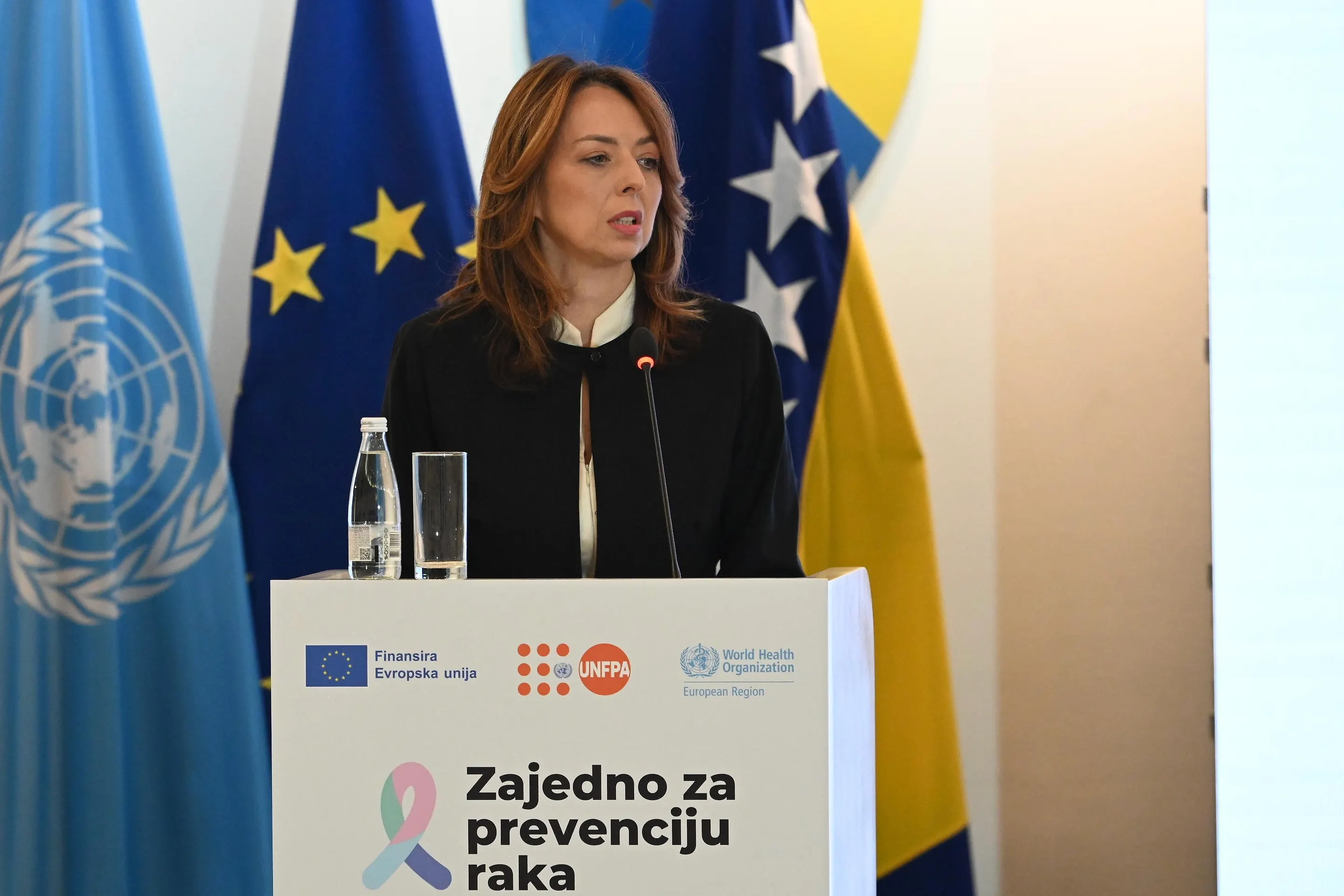
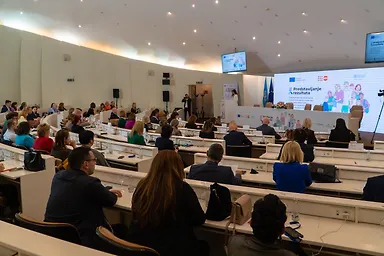
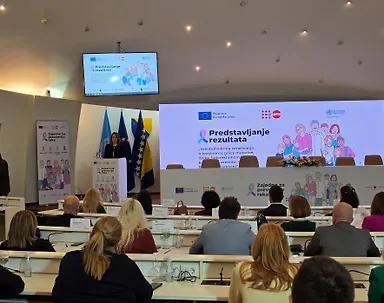
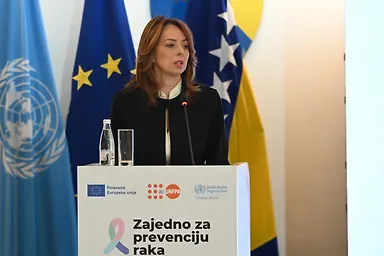
The findings of the first comprehensive cancer prevention research in Bosnia and Herzegovina were presented today at a final conference in Sarajevo, confirming the country’s readiness to move towards organized cancer screening programmes in line with European standards.
The research represents the most comprehensive assessment to date of cervical, breast, colorectal and prostate cancer prevention in Bosnia and Herzegovina and provides an operational roadmap for establishing organized screening programmes aligned with European Union standards. The research was conducted within the framework of a joint EU and UN project, funded by the European Union with EUR 900,000 and the United Nations with USD 100,000. The project is implemented by UNFPA and WHO in cooperation with the Ministry of Civil Affairs of Bosnia and Herzegovina, the Federal Ministry of Health, the Ministry of Health and Social Welfare of Republika Srpska, and the Department of Health of the Brčko District Government of Bosnia and Herzegovina.
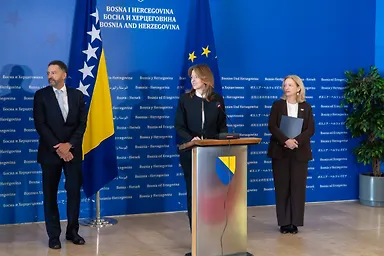
“This research represents an important step forward for Bosnia and Herzegovina. For the first time, we have a shared and comprehensive foundation for better planning of prevention, early detection and control of four types of cancer. Our goal is clear: to ensure that the findings of this research become the basis for concrete policies, sustainable prevention programmes and better treatment outcomes for patients. Bosnia and Herzegovina needs a system. A system that does not wait. A system that actively invites, monitors, records and guides patients throughout the entire pathway — from preventive examination and diagnostics to treatment itself,” stated Dubravka Bošnjak, Minister of Civil Affairs of Bosnia and Herzegovina, who also opened the Conference.
Based on the research findings, the European Union will allocate an additional EUR 11.5 million for a comprehensive cancer prevention programme, which will support the establishment of organized screening systems across the country in line with Europe’s Beating Cancer Plan.
“Cancer prevention saves lives. This is why the European Union supported this research, helping Bosnia and Herzegovina align its preventive healthcare system with the highest European standards and best practices. The findings presented today provide a clear roadmap for a comprehensive national cancer prevention programme, and the EU will continue supporting the country in strengthening public services, improving healthcare and ensuring a better quality of life for all citizens,” said Adebayo Babajide, Deputy Head of the EU Delegation to Bosnia and Herzegovina.
Cancer remains one of the most serious public health challenges in Bosnia and Herzegovina. Each year, around 14,000 new cancer cases are recorded, along with approximately 8,600 deaths. Many cancers are detected at a late stage, when treatment is more difficult and survival rates are lower, despite the fact that a significant number of cases can be prevented or successfully treated through early detection and screening.
The research shows that Bosnia and Herzegovina already has a strong foundation for further development: legal frameworks, clinical capacities, and the basis for improving population-based cancer registries across all three administrative systems. However, none of the four cancers — cervical, breast, colorectal and prostate cancer — is yet covered by an organized screening programme. Today, examinations are mostly carried out individually rather than through a systematically organized programme, with around 70% of patients entering the healthcare system only after symptoms appear. Prevention has also proven to be economically cost-effective: the cost of saving one year of life through organized screening ranges between EUR 220 and EUR 2,905, which is significantly below internationally accepted cost-effectiveness thresholds for healthcare investments. The data also show that a large number of cancer cases are detected at advanced stages: up to 22% of cervical cancer cases and 29% of breast cancer cases are diagnosed in advanced stages III and IV, when treatment is more demanding and outcomes more uncertain.
What is now needed are operational decisions: the adoption of prevention programmes, the establishment of dedicated information systems that will systematically invite and monitor individuals covered by screening, the consistent implementation of regulations guaranteeing free preventive services, and sustainable financing to ensure the long-term viability of these programmes.
Over the past year, the research analysed cancer prevention and early detection practices across all three administrative systems — the Federation of Bosnia and Herzegovina, Republika Srpska and the Brčko District — using a rigorous mixed-methods approach that included institutional data collection, health system analysis, assessment of the epidemiological burden, qualitative population research, and field visits to healthcare institutions across the country. The analysis was benchmarked against nine key quality standards defined by the European Union guidelines for cancer screening.
Breast cancer screening is currently the most developed, with mammography widely available, although mostly through an opportunistic approach. Cervical cancer prevention combines Pap testing and HPV vaccination, providing a strong foundation that has not yet been integrated into a population-based model. Colorectal cancer screening remains at an early stage: diagnostic capacities exist, but structured programmes and citizen invitation systems are lacking. Early detection of prostate cancer is based on opportunistic PSA testing, in line with the European approach that prioritizes risk assessment over universal screening.
“The evidence is now clear: across all four cancers, the cost of saving one year of life through organized screening represents only a small fraction of the gross domestic product per capita. With continued political commitment and further investment in coordination and quality, thousands of lives could be saved through early detection — a goal that is entirely achievable,” said Justine Coulson, UNFPA Representative in Bosnia and Herzegovina.