
Геодетски, геолошки и метеоролошки послови-vijesti
Утицај глобалног загријавање на здравље људи
Геодетски, геолошки и метеоролошки послови-vijesti
17.06.2021
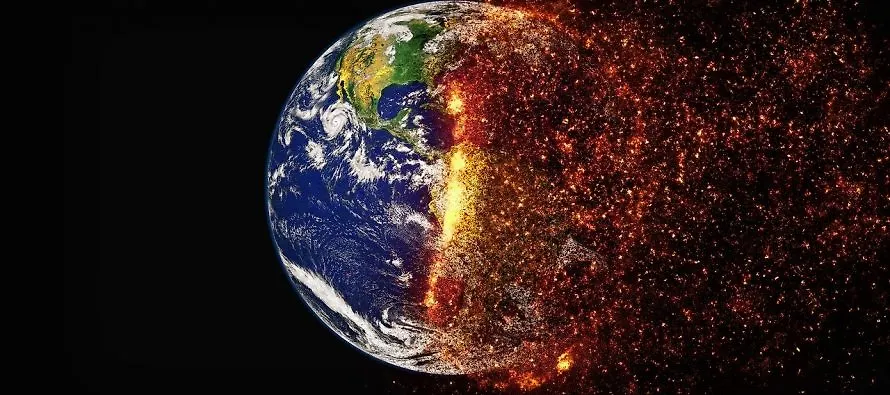
Штетни учинци врућег времена на здравље у великој се мјери могу спријечити добром јавноздравственом праксом, истодобно слиједећи савјете за заштиту од КОВИД-19.
Глобално, 2020. година била је међу 3 најтоплије у хисторији, а Свјетска метеоролошка организација (WМО) сматра да је 2011.-2020. било најтоплије десетљеће у хисторији. Годишња глобална прогноза температуре за 2021. годину предвиђа да ће и ова година ући у низ најтоплијих година на Земљи.
На сљедећим линковима се налазе додатне информације у вези с утицајем глобалног загријавања на здравље људи:
- News story on “Keep cool this summer to protect your health” has gone live on our website to highlight the issue and present our new materials:
https://www.euro.who.int/en/health-topics/environment-and-health/Climate-change/news/news/2021/5/keep-cool-this-summer-to-protect-your-health - Four short videos featuring public health advice on how people can “Keep cool in the heat” (available in English, French, Russian and German):
https://www.youtube.com/playlist?list=PLL4_zLP7J_mjqWnqvIUSnQ13NcSuSDgU3 - Updated information sheet (2-sided A4) on “Health advice for hot weather during the COVID-19 outbreak” (available in plus in 13 European languages):
https://www.euro.who.int/en/health-topics/health-emergencies/coronavirus-covid-19/publications-and-technical-guidance/environment-and-food-safety/health-advice-for-hot-weather-during-the-covid-19-outbreak-produced-by-whoeurope - Social media tiles for Twitter, Instagram and Facebook with the key messages in 4 languages (an editable PowerPoint slide for other languages is available upon request):
https://who.canto.global/v/coronavirus/library?keyword=Keepcool - A new WHO/Europe publication ”Heat and health in the WHO European Region: updated evidence for effective prevention” (available in English and Russian) clearly points to a need to expand the number, coverage and reach of heat–health action plans in the Region (see point below). These plans, which aim to prevent, react to and contain heat-related risks to health, should include measures for long-term prevention, medium-term preparation and short-term emergency measures. The publication is available at: https://www.euro.who.int/en/health-topics/environment-and-health/Climate-change/publications/2021/heat-and-health-in-the-who-european-region-updated-evidence-for-effective-prevention-2021
- Guidance on “Heat-health action plans” on improving public health responses to heat-waves (available in English and Russian): https://www.euro.who.int/en/publications/abstracts/heathealth-action-plans
- Information sheets (collection of 16) with “Public health advice on preventing health effects of heat” for different audiences (available in English and German):
http://www.euro.who.int/en/public-health-advice-on-preventing-health-effects-of-heat - Guidance on warning-system development for heatwaves and health developed jointly by the WHO and WMO:
http://www.who.int/globalchange/publications/heatwaves-health-guidance/en - New updated website on public health responses to heatwaves:
https://www.euro.who.int/en/health-topics/environment-and-health/Climate-change/activities/public-health-responses-to-weather-extremes/heat-and-health - Questions and answers on “Extreme heat and COVID-19” provided by the Global Heat Health Information Network (GHHIN):
https://ghhin.org/heat-and-covid-19/ - Meteoalarm: http://www.meteoalarm.eu for 37 Member States; for others you can find your national weather service here: https://worldweather.wmo.int/en/home.html
- Information tool for medium-range (10-day) heatwave probability forecasts:
http://www.euroheat-project.org/dwd
Геодетски, геолошки и метеоролошки послови