News
Held “EU Program Day” in Mostar: Bosnia and Herzegovina must make stronger use of opportunities from European funds
07/02/2026

Ministarstvo civilnih poslova Bosne i Hercegovine
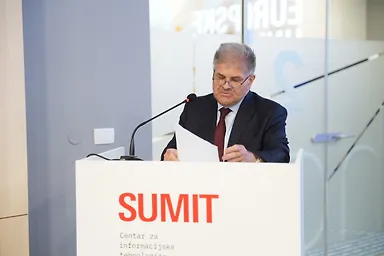

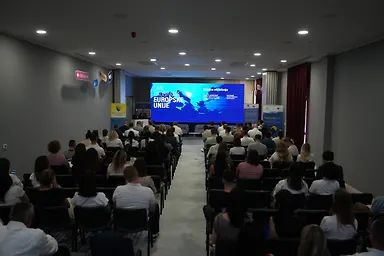
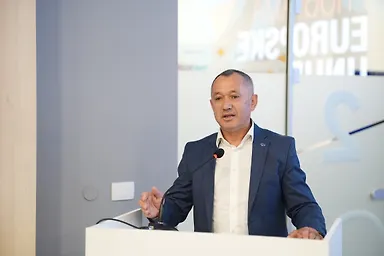
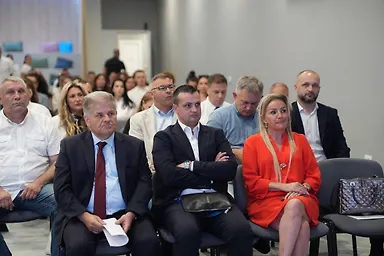
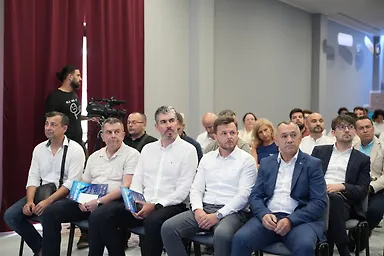
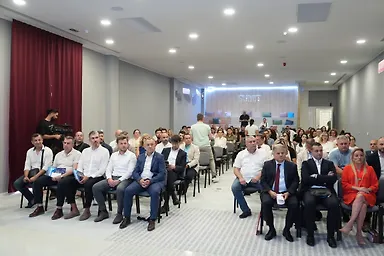
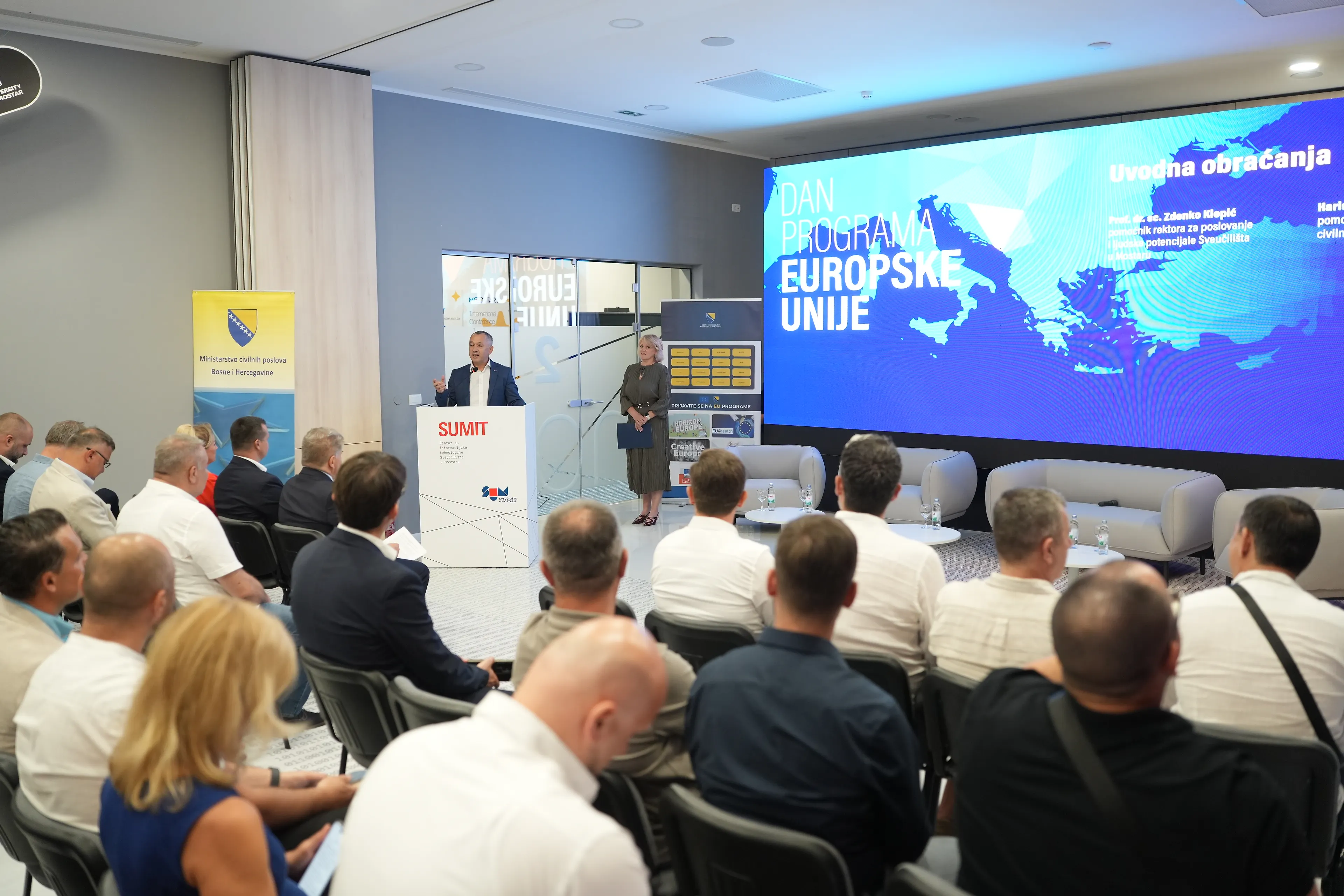
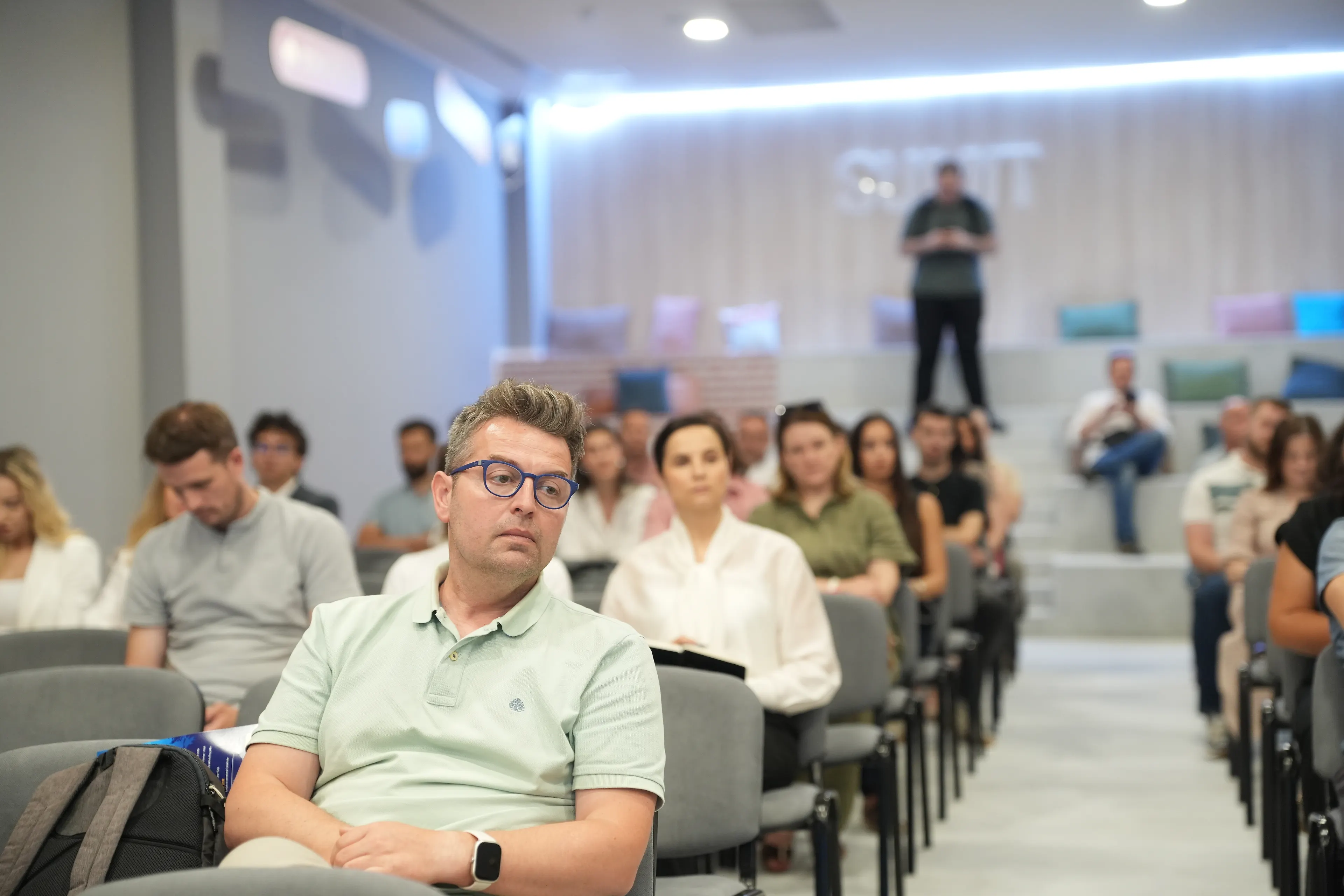
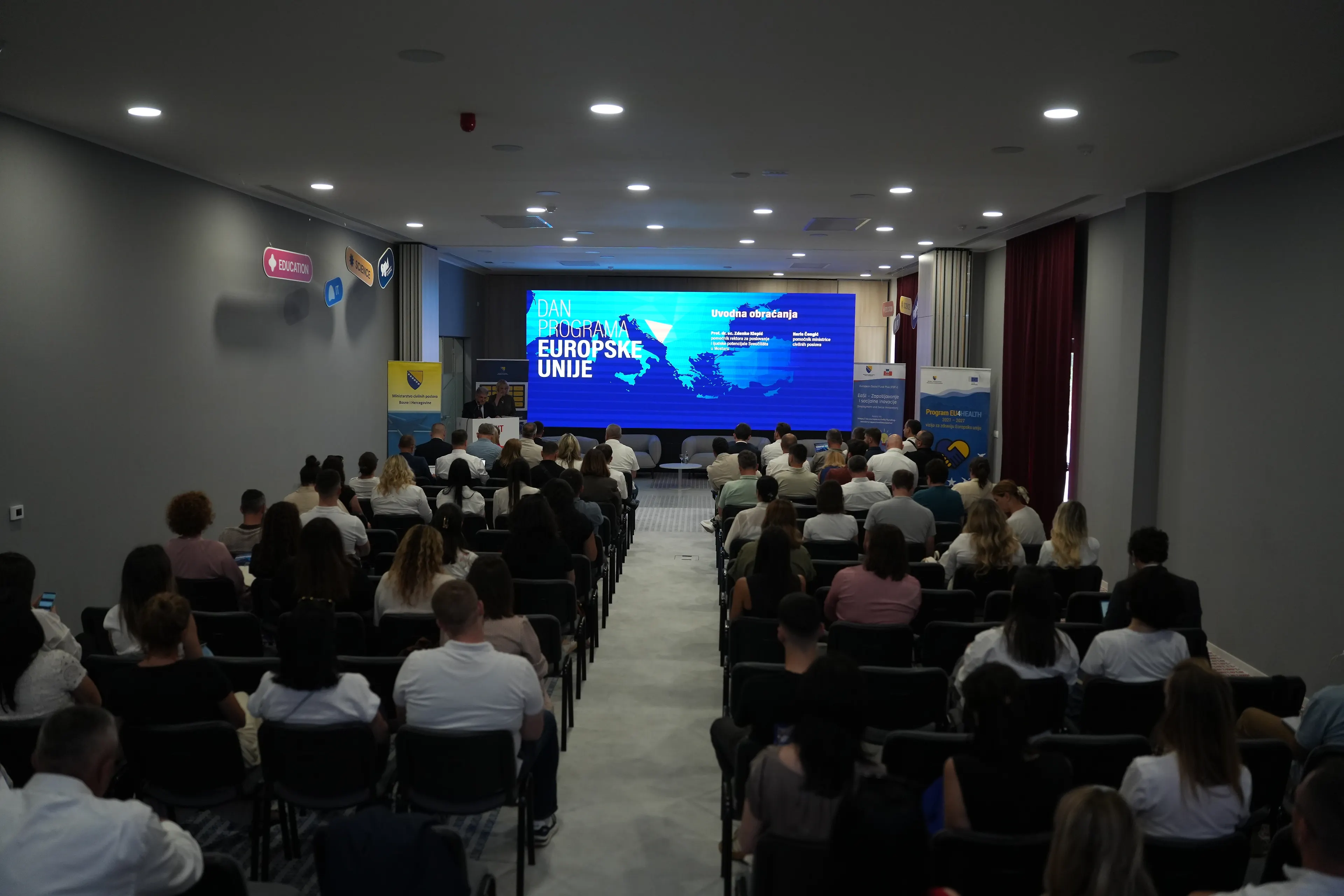
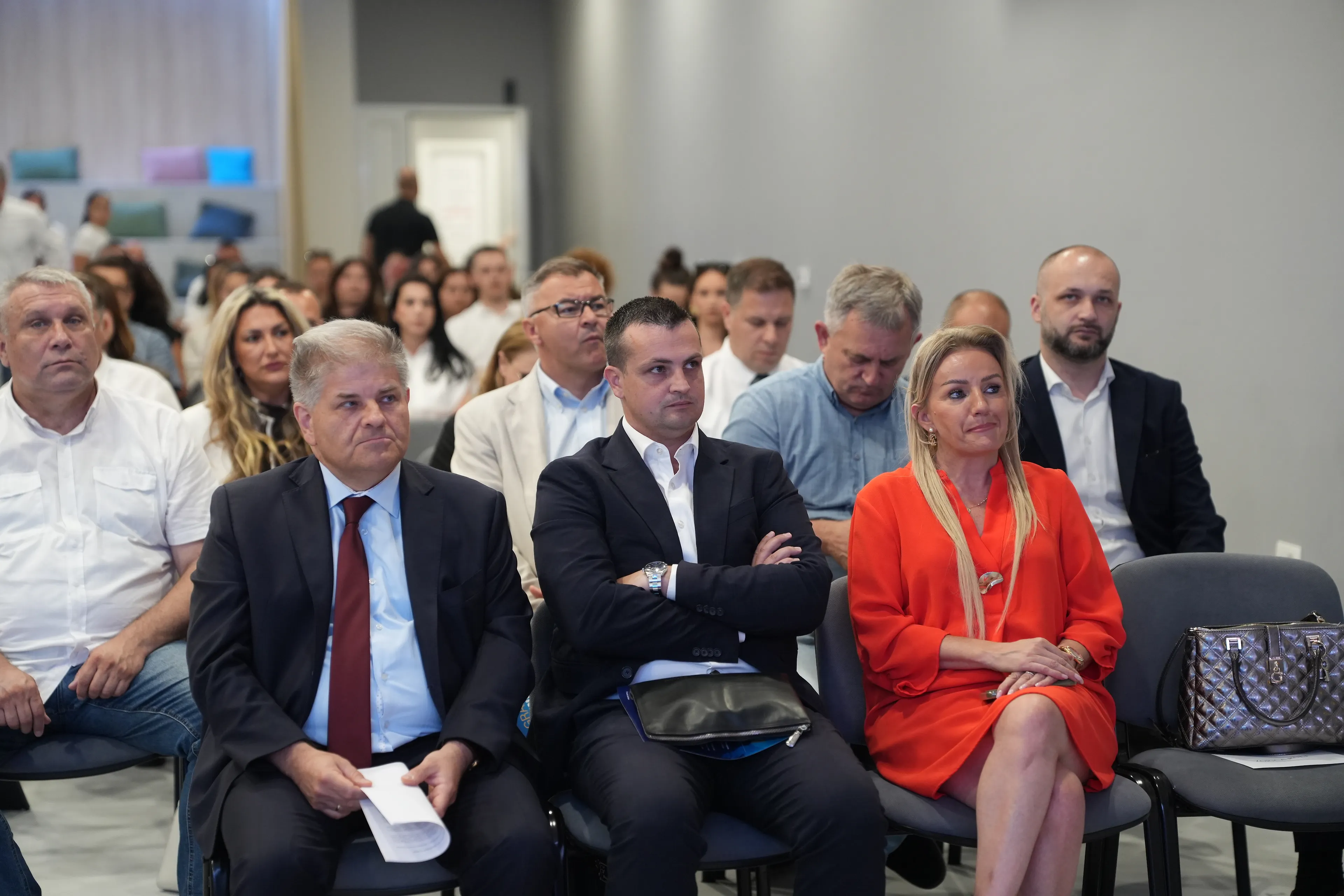
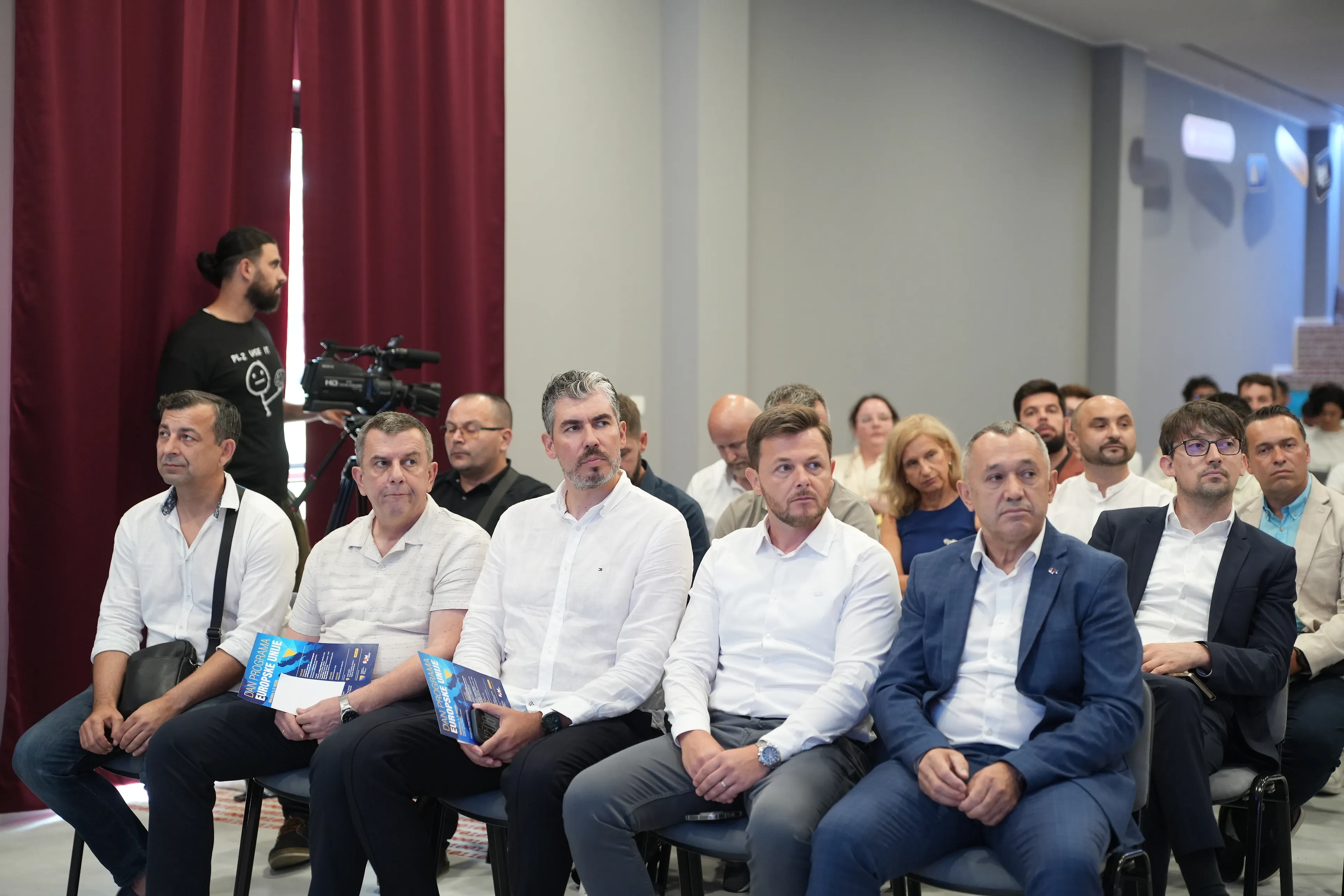
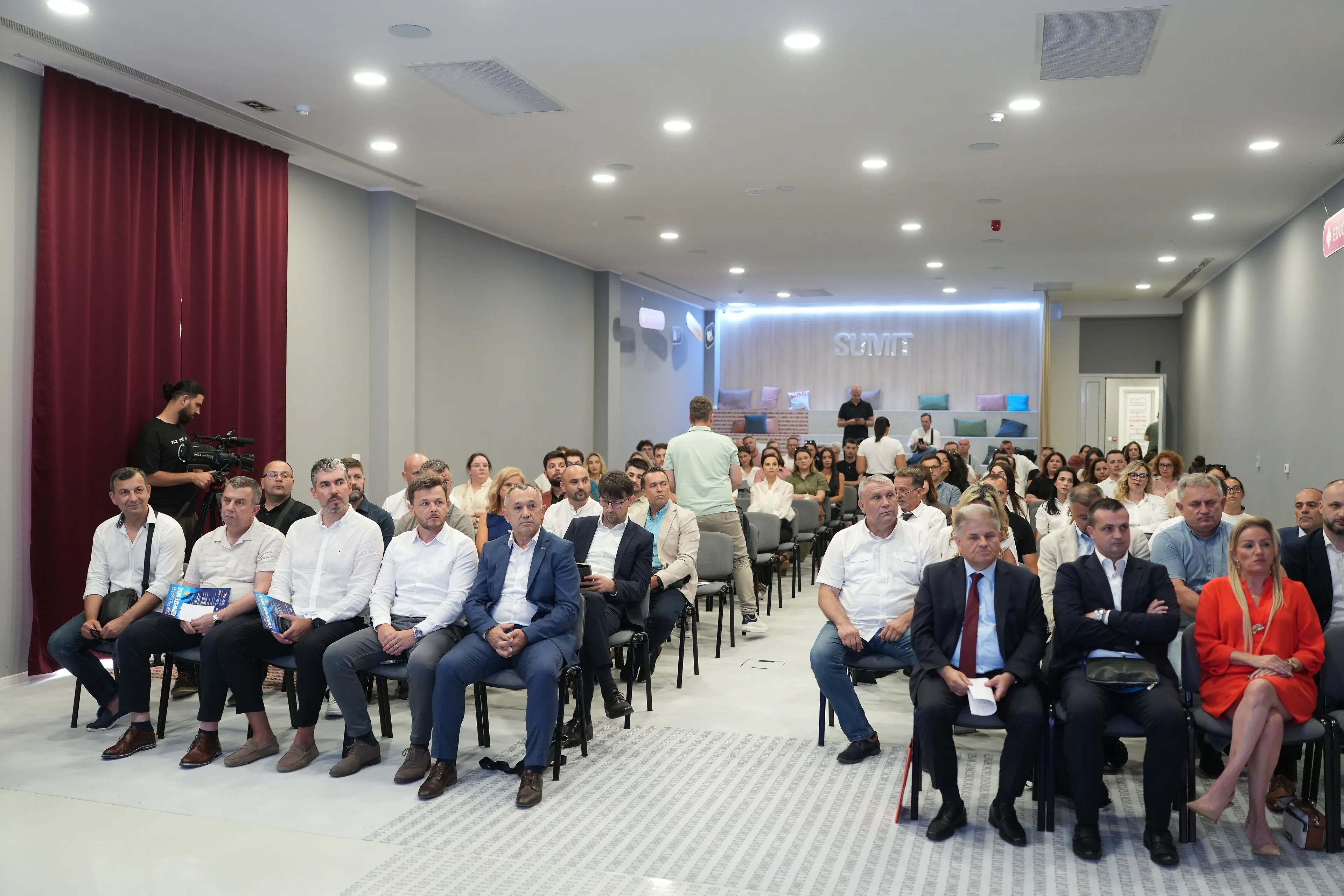
Organized by the Ministry of Civil Affairs of Bosnia and Herzegovina, in cooperation with the University of Mostar, the “EU Program Day” was held in Mostar, an event dedicated to presenting the opportunities provided to Bosnia and Herzegovina by European Union programs, exchanging user experiences, and strengthening capacities for more successful participation of domestic institutions in European projects.
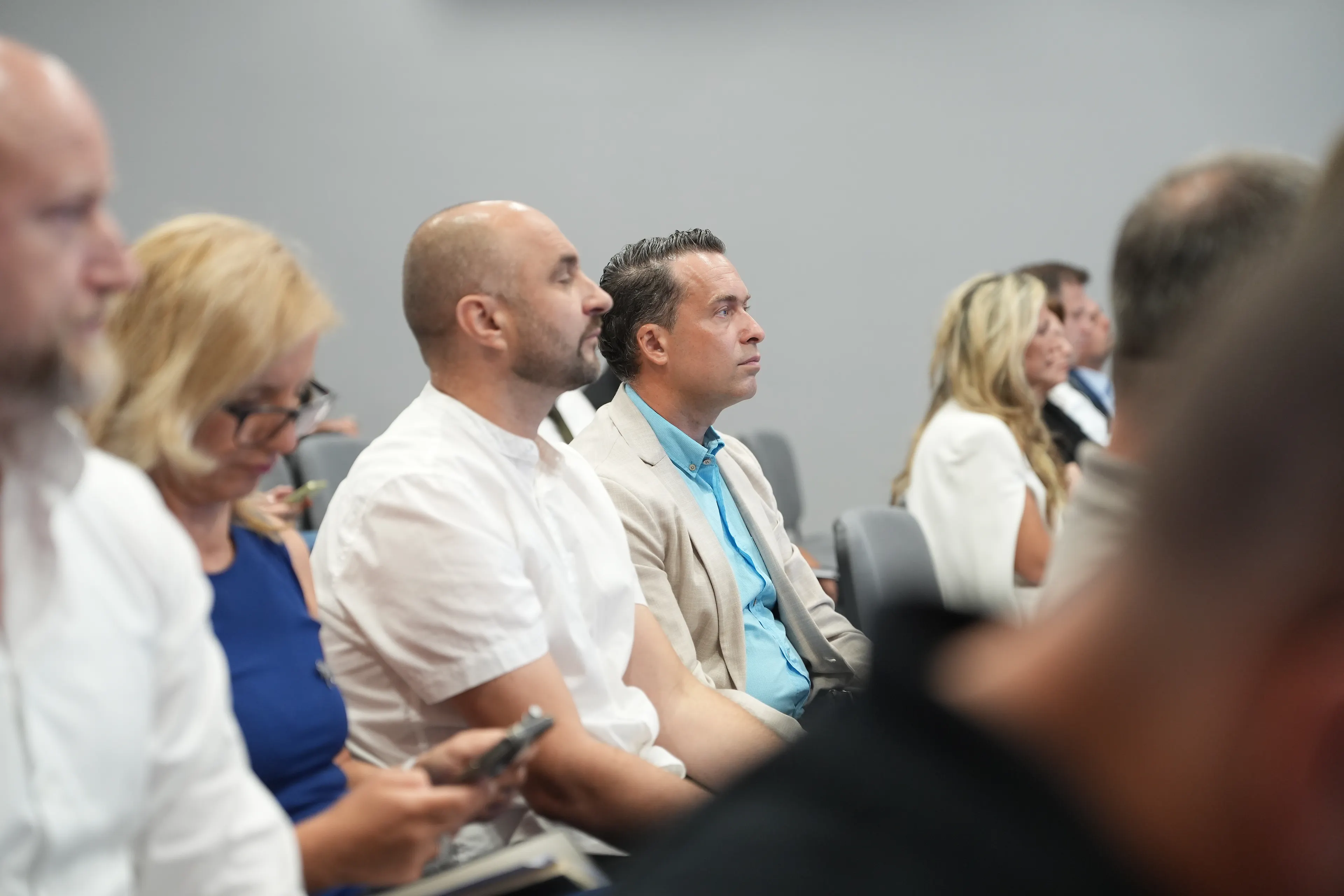
The event brought together representatives of the academic community, public institutions, civil society organizations, the health and cultural sectors, the business community, as well as all those interested in participating in European programs. Through expert presentations and panel discussions, the Horizon Europe, Erasmus+, Creative Europe, EU4Health and EaSI programs were presented, as well as COST and EUREKA programs, which represent an important instrument of international scientific and innovation cooperation.
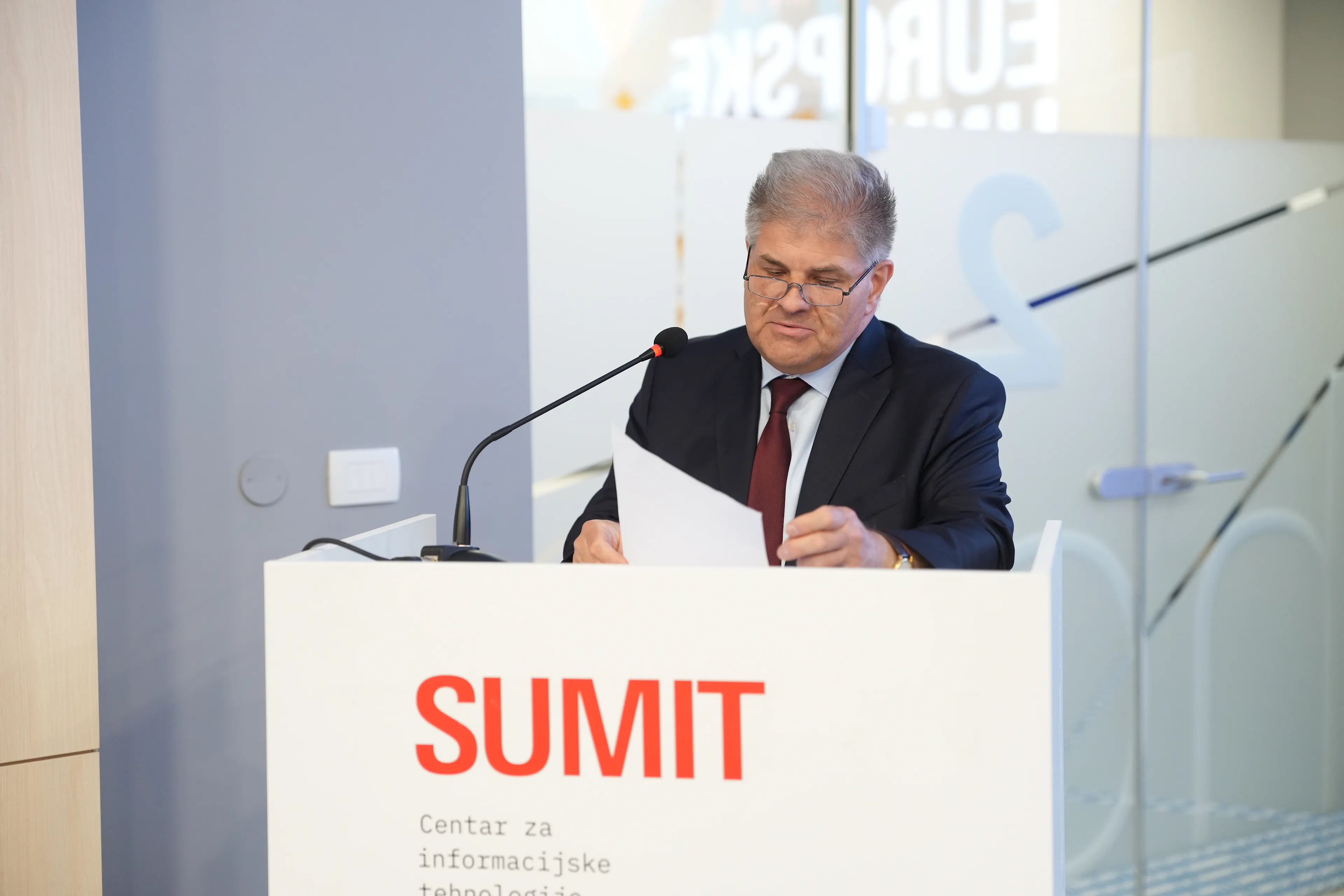
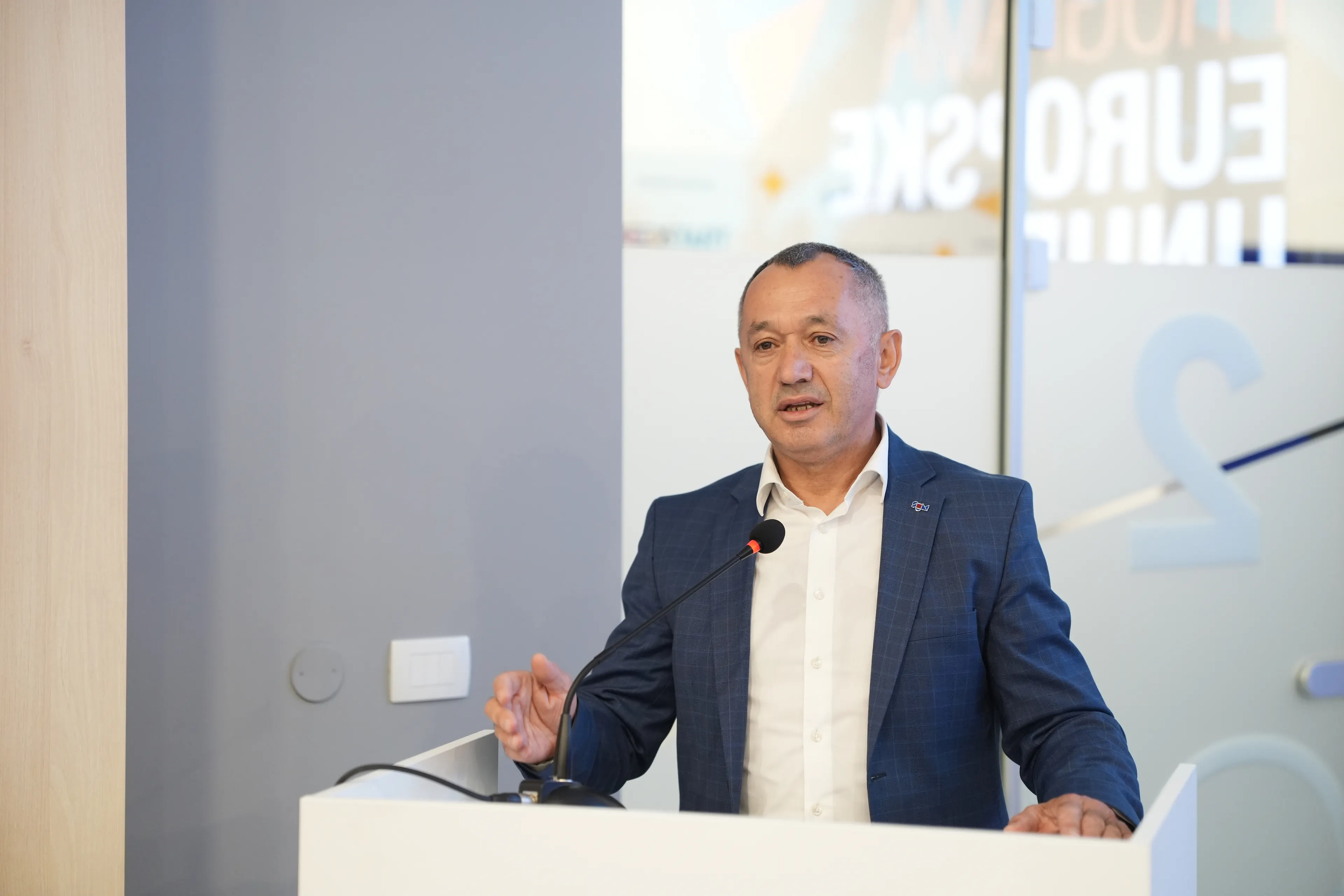
In his address to participants, the Assistant Minister of Civil Affairs of Bosnia and Herzegovina, Haris Čengić, on behalf of Minister Dubravka Bošnjak, emphasized that the Ministry of Civil Affairs of Bosnia and Herzegovina coordinates international cooperation in the fields of health, education, science, culture, labour, employment, social protection and sports, and that European programs represent one of the most important mechanisms for the development of these sectors.
He stressed that the Ministry’s task goes far beyond the formal participation of Bosnia and Herzegovina in European Union programs.
“Our goal is not only to enable the formal participation of Bosnia and Herzegovina in European Union programs, but to ensure that institutions, organizations, researchers, students, entrepreneurs and citizens recognize the opportunities offered by these programs and make the best possible use of them,” Čengić said.
He recalled that Bosnia and Herzegovina currently participates in a number of significant European Union programs and that, as an associated country in most of them, it holds equal status with EU member states. This enables domestic institutions to compete on equal terms for funds whose budgets amount to tens of billions of euros, to build international partnerships, and to develop projects that contribute to the advancement of science, education, health, culture, employment and innovation.
Special attention during the event was given to the practical aspects of preparing project applications, finding international partners, and using the European Union’s Funding & Tenders Portal. It was emphasized that successful projects begin with a high-quality project idea, strong partnerships, clear objectives and thorough preparation, while the Ministry of Civil Affairs of Bosnia and Herzegovina continuously provides support to potential applicants through national contact points, desk offices and information activities.

During the panel discussion, representatives of universities, national contact points and institutions with significant experience in implementing EU-funded projects participated. They agreed that Bosnia and Herzegovina still does not utilize European funds to the extent it could, despite the fact that domestic institutions have access to the same opportunities as partners from EU member states.
It was highlighted that there is a need to systematically strengthen capacities for preparing and managing European projects, develop a network of experts for writing project proposals and managing project implementation, and more strongly connect the academic community, public sector, economy and civil society organizations in order to create competitive international partnerships.

During the panel discussion, representatives of universities, national contact points and institutions with significant experience in implementing EU-funded projects participated. They agreed that Bosnia and Herzegovina still does not utilize European funds to the extent it could, despite the fact that domestic institutions have access to the same opportunities as partners from EU member states.
It was highlighted that there is a need to systematically strengthen capacities for preparing and managing European projects, develop a network of experts for writing project proposals and managing project implementation, and more strongly connect the academic community, public sector, economy and civil society organizations in order to create competitive international partnerships.